Why Baton Rouge Homes Need Softwashing: Key Benefits and Expert Insights

Baton Rouge’s humid subtropical climate creates the ideal conditions for algae, mold, and mildew to colonize roofs, siding, and horizontal surfaces, accelerating material deterioration and reducing curb appeal. This guide explains why softwashing — a low-pressure, chemical-assisted exterior cleaning method — is the most appropriate preventive approach for Baton Rouge homes, how it works, which surfaces benefit most, and how often to schedule service for optimal results. Readers will learn the technical mechanism (low pressure + biodegradable cleaners + dwell time), the top property and health benefits, and practical maintenance schedules tailored to local climate drivers. The article also compares softwashing with traditional pressure washing, outlines surface-specific recommendations, and explains eco-friendly chemistry and water-conservation considerations relevant to property managers and homeowners. Following these sections you’ll find clear checklists, EAV-style reference tables for quick decision-making, and guidance on selecting qualified providers so you can protect roof lifespan, preserve siding integrity, and maximize curb appeal.

What Is Softwashing and How Does It Protect Baton Rouge Homes?

Softwashing is an exterior cleaning technique that combines low-pressure application with calibrated chemical solutions to remove biological growth and stains while minimizing mechanical stress on building materials. The method works by applying biodegradable cleaners and surfactants that penetrate biofilms, break down spores and hyphae, and allow natural rinse-off without blasting surfaces, which protects vulnerable materials. For Baton Rouge, the mechanism yields two immediate benefits: effective removal of algae and mold and reduced long-term surface degradation compared with abrasive approaches. Understanding this process clarifies why softwashing is recommended where humidity and frequent biological regrowth are primary drivers of damage. The next subsection contrasts softwashing directly with pressure washing to show practical decision criteria for local homes.

How Does Softwashing Differ from Pressure Washing in Baton Rouge?

Softwashing differs from pressure washing primarily in the balance between mechanical force and chemical action: softwash uses low PSI and dwell-time chemistry, while pressure washing relies on high PSI and mechanical force to dislodge contaminants. In Baton Rouge, high-pressure approaches can strip shingle granules, etch stucco, force water behind siding, and accelerate deterioration on older materials, whereas softwashing targets organisms chemically and leaves the substrate intact. Operationally, softwashing uses softwash applicators, low-pressure nozzles, and controlled dwell time to ensure the cleaning solution neutralizes spores before gentle rinsing; this reduces the risk of shingle granule loss and paint abrasion. Property managers should choose pressure washing only for structurally robust surfaces like heavy concrete where mechanical cleaning is needed, and rely on softwashing for roofs, vinyl siding, and painted surfaces to preserve material life.

Why Is Softwashing Ideal for Baton Rouge’s Humid Climate?

Baton Rouge’s humid subtropical climate sustains frequent cycles of biological growth: warm temperatures and high relative humidity promote algae, mold, and mildew spores to germinate and form persistent biofilms on exterior surfaces. Softwashing’s chemical agents disrupt those biofilms and provide residual inhibition that delays regrowth, whereas mechanical cleaning lacks residual efficacy and often requires more frequent repeat visits. Because local regrowth cycles are rapid, a cleaning strategy that combines removal with a slow-release inhibitory effect reduces total service frequency and lowers lifecycle cost. Recognizing this climatic driver helps homeowners plan inspections and maintenance intervals that anticipate regrowth hotspots and shading effects, which the next section explores through explicit benefits.

Moisture Problems and Solutions in Humid Climates for Buildings

This publication sets forth design criteria for avoiding and solving moisture problems in airconditioned buildings in humid climates. These moisture problems span a broad spectrum notably 1 Mold and mildew on exterior building surfaces. 2 Peeling, blistering, flaking and bleeding of paint on both exterior and interior surfaces, 3 Interior odor, 4 Uncomfortably high levels of interior humidity, 5 Property damage resulting from condensation in and on building walls and roof, 6 Insulating losses resulting from condensation in building walls and roof. Remedies for these conditions sometimes demand drastic changes from normal architectural and mechanical design practices used for colder, drier climates. Solutions to moisture problems in humid climates often entail a reversal of normal design practice.

Airconditioned Buildings in Humid Climates. Guidelines for Design, Operation, and Maintenance., 1980

Softwashing: The Ideal Solution for Baton Rouge Homes

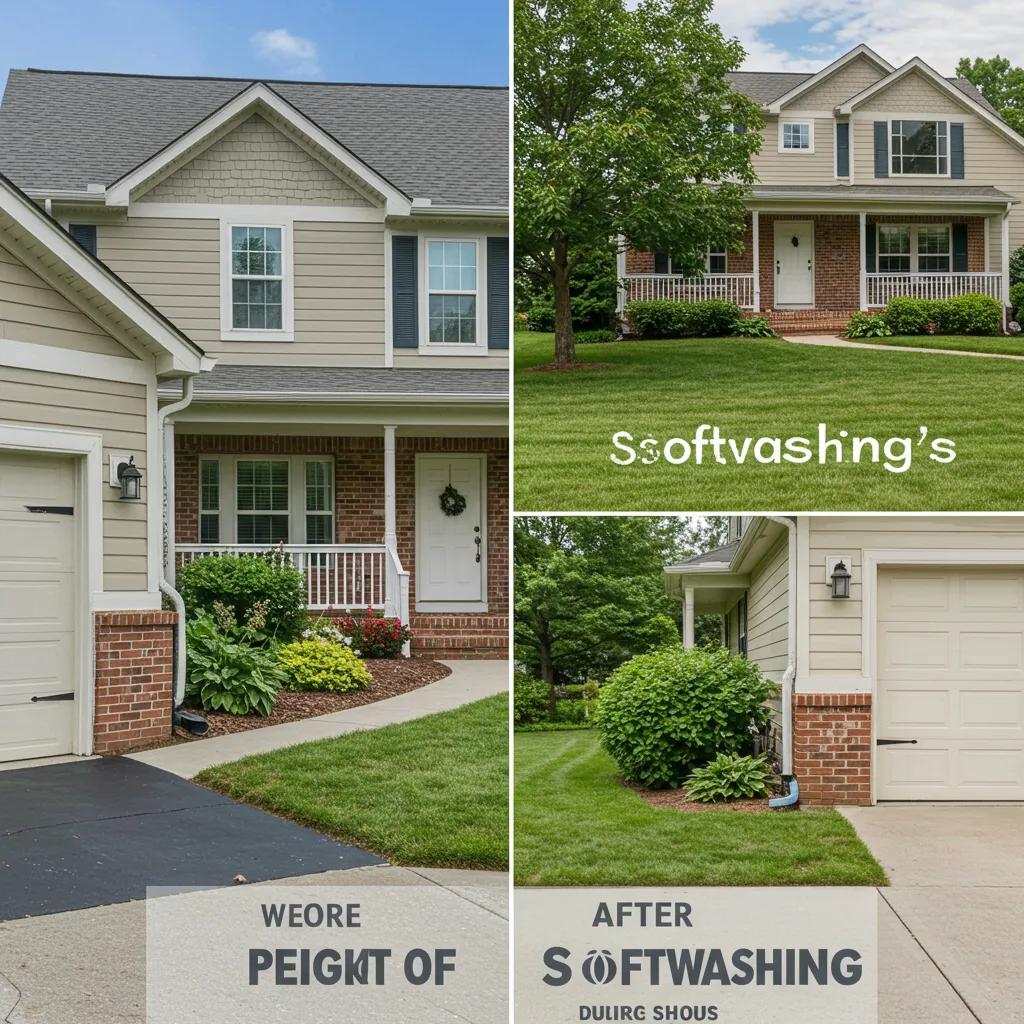
Before-and-after comparison of a Baton Rouge home demonstrating the benefits of softwashing, highlighting improved exterior surfaces, enhanced curb appeal, and effective stain removal.

Softwashing delivers several interrelated benefits for Baton Rouge homeowners: it reduces material damage by avoiding abrasive force, removes health-hazardous bio-contaminants, enhances curb appeal through effective stain removal, and lowers lifecycle repair costs by preserving materials. The method addresses algae, mold, and mildew at the biological level, which prevents the progressive deterioration that leads to costly roof or siding replacement. For property managers, these benefits translate into measurable ROI by extending service intervals and supporting tenant or buyer perceptions. To make these benefits actionable, the following EAV-style table summarizes expected outcomes by surface type and the primary attribute improved.

Different surfaces respond to softwashing in measurable ways; the table below outlines common outcomes and estimated impact categories relevant to maintenance planning.

SurfacePrimary BenefitTypical Outcome
RoofLongevityReduced algae-related shingle loss; extended service life
SidingDamage risk reductionFewer paint failures and substrate degradation
ConcreteStain removal durabilityLonger-lasting stain lift and slower re-soiling

This comparison highlights how targeted softwashing interventions improve longevity and reduce reactive repairs, making softwashing cost-effective over time.

  1. Softwashing prevents material damage by using chemical action rather than high-pressure force.
  2. Softwashing improves property aesthetics with thorough stain and biofilm removal.
  3. Softwashing supports occupant health by removing mold and mildew that can affect indoor air quality.

These benefits together justify scheduling softwashing as a regular element of exterior maintenance, and the next subsection explains how softwashing works on roofs and siding specifically.

How Does Softwashing Prevent Damage to Roofs and Siding?

Softwashing prevents damage by neutralizing the biological mechanisms that cause material deterioration rather than abrading the surface, which is critical for common roof and siding materials. Algae and mold feed on organic matter and retain moisture against shingles and siding, accelerating granule loss, rot, and paint failure; chemical softwash formulations break down spores and lift biofilms so that gentle rinsing removes them without dislodging protective layers. The outcome is both immediate aesthetic restoration and long-term preservation of material integrity, reducing the frequency of costly repairs or replacements. This protective mechanism is especially relevant on shaded roof planes and poorly ventilated siding where moisture retention enhances biological growth.

In What Ways Does Softwashing Enhance Property Value and Curb Appeal?

Softwashing enhances curb appeal by restoring uniform color and clean lines, which influence first impressions and perceived maintenance levels—key factors in market valuation and tenant perception. Clean exteriors signal proactive property stewardship, which can support higher offers, faster listings, or stronger tenant retention for rental properties; these economic effects are amplified when softwashing is part of a documented maintenance program. For commercial-minded property owners, consistent exterior cleanliness supports brand image and customer confidence, while for residential sellers, a clean facade frequently improves perceived value. Framing softwashing as preventive maintenance helps owners treat costs as investment rather than expense, which in turn influences budgeting and lifecycle planning.

Which Exterior Surfaces in Baton Rouge Homes Require Softwashing?

Most Baton Rouge exteriors benefit from targeted softwashing: roofs, vinyl and painted siding, stucco, wood decks, fences, and certain concrete areas that collect organic staining. The approach varies by surface because material porosity, coating systems, and exposure to shade or vegetation influence both chemical selection and dwell time. Understanding which surfaces require softwashing helps prioritize annual work and allocate inspection resources to high-risk areas like north-facing roof slopes and tree-shadowed siding.

Common surfaces that respond well to softwashing include roofs, siding, decks, fences, and horizontal paved areas; each requires tailored technique and chemical considerations.

  • Roofs: Safe chemical application and gentle rinsing protect shingles and tiles.
  • Siding (vinyl, painted, stucco): Low-pressure cleaning preserves paint films and substrate.
  • Decks and fences: Wood-safe formulations remove mold without stripping fibers.

Reviewing these surfaces leads into the EAV reference table that follows for clear, surface-by-surface guidance.

SurfaceCommon Contaminant / Damage ModeRecommended Frequency / Notes
RoofAlgae and black streaks; shingle granule lossAnnual to 18 months depending on shade and roof pitch
Vinyl sidingMold, algae, staining12–24 months; inspect after heavy rains and shaded conditions
Decks/fencesMold and mildew; wood discolorationPreventive clean once per 12–18 months; specialized wood sealants afterwards

Why Is Roof Softwashing Essential for Baton Rouge Homes?

Roof softwashing is essential because asphalt shingles and other common roofing materials on Baton Rouge homes are vulnerable to algae colonization that creates black streaks and accelerates granule loss, which shortens functional lifespan. Softwashing safely removes microbial growth without the high-pressure shear that strips granules or lifts flashing, and the chemical residual effect delays regrowth on shaded or low-slope roofs. Proper roof softwashing also addresses attic moisture dynamics indirectly by reducing surface moisture retention and microbial activity, which helps maintain roof membrane performance. Given the financial scale of roof replacement, roof softwashing is a cost-effective preventive measure that supports long-term asset protection.

How Does Softwashing Protect Siding, Concrete, and Decks?

Siding, concrete, and deck surfaces each have distinct vulnerabilities: siding can suffer paint failure and moisture infiltration, concrete can retain organic staining, and wood decks can develop rot if mold persists. Softwashing uses formulations calibrated for each material—milder surfactants for painted or vinyl surfaces, oxidizing cleaners for heavy organic stains on concrete, and wood-friendly solutions for decks—to remove contaminants while preserving surface integrity. Applying correct dwell times and low-pressure rinsing prevents water intrusion behind cladding and minimizes raised grain on wood. Regular softwashing combined with targeted inspections reduces cumulative damage and helps maintain functional and aesthetic performance across materials.

How Often Should Baton Rouge Homes Be Softwashed for Optimal Results?

Recommended intervals for softwashing in Baton Rouge typically fall within a 12–18 month standard window for proactive maintenance, with adjustments based on roof material, shading, nearby vegetation, and historical regrowth patterns. This interval balances the region’s biological growth drivers with the longevity benefits from chemical residuals and helps reduce the total number of interventions over a structure’s life.

For property managers, establishing inspection-triggered schedules—rather than strictly calendar-based ones—improves efficiency by directing resources to surfaces showing active regrowth. The EAV table below maps surfaces and influencing factors to typical intervals so owners can calibrate their maintenance programs.

SurfaceInfluencing FactorRecommended Interval
RoofShingle type, pitch, shading12 months standard; 6–12 months if heavily shaded
SidingMaterial, proximity to trees12–24 months depending on material and exposure
Concrete/DecksOrganic staining frequency12–18 months for prevention; spot cleaning as needed

These interval recommendations let managers convert climate and exposure variables into actionable schedules that reduce long-term maintenance cost and preserve curb appeal.

Factors that often increase service frequency include heavy tree cover, persistent shade, prior history of biological growth, and low-slope roof geometry that traps moisture. To operationalize these recommendations, property teams should adopt inspection checklists that flag shaded roof planes, clogged gutters, and adjacent vegetation. For organizations seeking predictable upkeep, professional recurring service plans are available from providers that bundle periodic inspections and scheduled softwashing; these plans shift work from reactive to preventive maintenance and often include documentation useful for asset management and resale. The next section examines eco-friendly cleaning chemistry and water conservation considerations that support these maintenance choices.

How Do Eco-Friendly Softwashing Solutions Benefit Baton Rouge Homes and Environment?
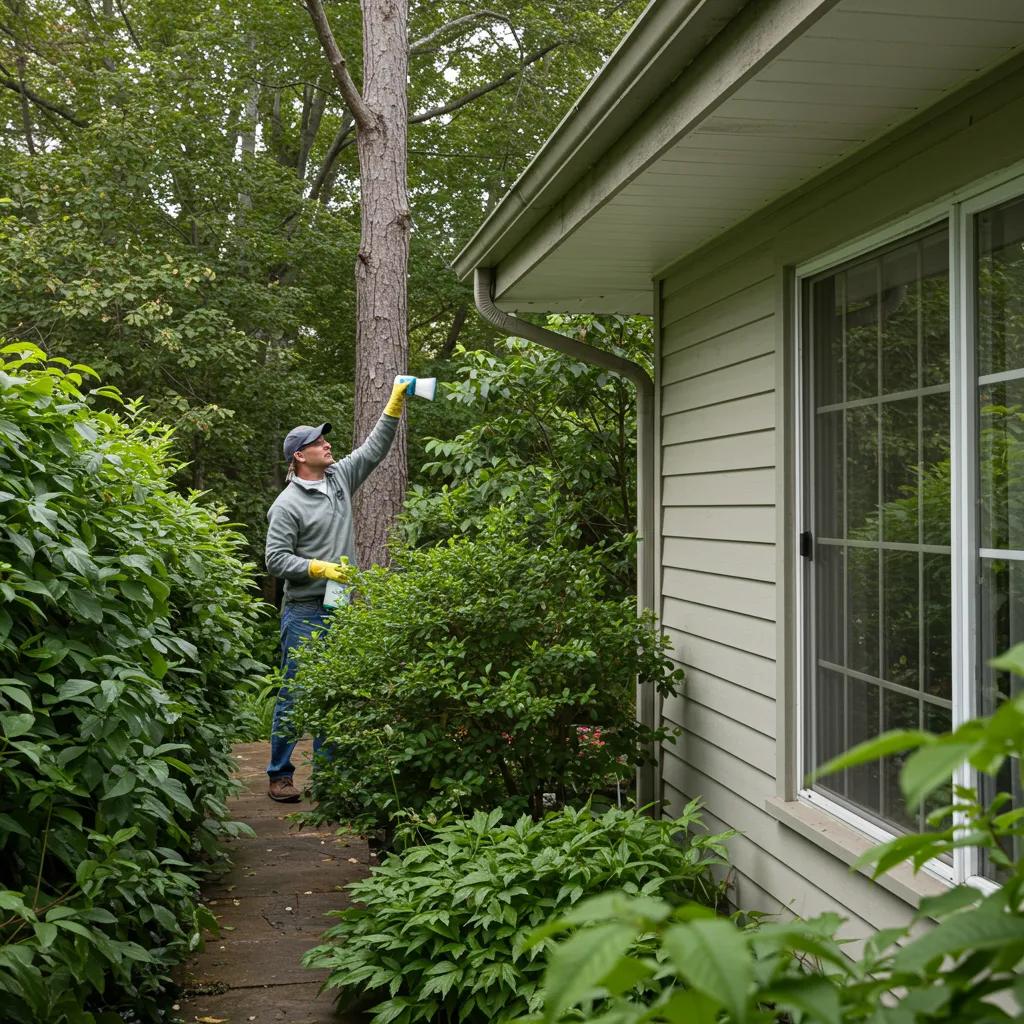
Person using eco-friendly cleaning methods to maintain a home's exterior, surrounded by lush greenery and trees, emphasizing softwashing benefits for Baton Rouge homes.

Eco-friendly softwashing uses biodegradable surfactants and oxidizing agents formulated to break down into benign components after they neutralize biological contaminants, reducing long-term ecological impact while remaining effective against algae and mold. These solutions emphasize plant-safety protocols—such as pre-wetting landscaping, using containment, and neutralizing runoff—so that landscaping and soil microbiomes are preserved after cleaning. Environmentally minded operators also adopt practices that reduce total water consumption compared with repeated mechanical cleaning cycles by leveraging chemical efficacy and precise application. These environmental safeguards align with local regulatory practices and community expectations, helping homeowners maintain both property condition and stewardship responsibilities.

What Biodegradable Chemicals Are Used in Baton Rouge Softwashing?

Biodegradable softwashing chemistries typically include surfactants that loosen biofilm structure, sequestrants that bind minerals, and oxidizing agents that neutralize spores and organic residues; formulations are balanced to be effective while breaking down into non-persistent byproducts. Generic active types include biodegradable surfactants and oxygen-based oxidizers that degrade relatively quickly in sunlight and soil, minimizing downstream impact when proper containment is used. Safe application protocols—such as pre-wetting vegetation, applying shielded runoff channels, and using neutralizing agents when required—protect plantings and storm-drain pathways. When selecting a provider, ask about their plant-protection protocols and whether they document biodegradability and runoff mitigation measures.

How Does Softwashing Conserve Water Compared to Pressure Washing?

Softwashing conserves water primarily by reducing the need for repeated mechanical rinses and by enabling targeted application that treats contaminants chemically rather than relying on high-volume flushing to remove residues. Because chemical action breaks down biofilms during dwell time, operators often complete cleaning with lower rinse volumes and fewer repeat visits, which lowers total water footprint across maintenance cycles. Additionally, containment and targeted rinsing practices further reduce runoff volume compared with broad-area pressure washing, which typically requires continuous high-flow rinsing. Operational efficiency and reduced lifecycle repeat treatments combine to deliver measurable water savings for responsible property programs.

How to Choose a Professional Softwashing Service for Baton Rouge Homes?

Choosing a qualified provider involves evaluating technical competence, local knowledge, insurance and safety practices, and the provider’s ability to document plant-protection and runoff mitigation.

Essential criteria include demonstrated experience with low-pressure application, validated processes for chemical selection and dwell time, and a clear inspection and reporting workflow that ties service to measurable outcomes like reduced regrowth and material preservation.

For commercial property owners, prioritizing vendors who can provide recurring maintenance plans, transparent pricing structures, and references from similar properties helps ensure long-term alignment with budget and asset-protection goals.

The checklist below summarizes prioritized selection items for property managers and homeowners.

When vetting providers, use the following prioritized checklist to focus conversations and proposals.

  1. Evidence of safe low-pressure softwashing technique and application equipment.
  2. Clear chemical safety and plant-protection protocols documented in writing.
  3. Proof of liability insurance and references from similar property types.

Using this checklist helps property managers compare proposals on the basis of risk mitigation and long-term cost, and the next subsection describes certifications and expertise markers to request.

What Certifications and Expertise Should Baton Rouge Softwashing Professionals Have?

Meaningful markers of expertise include specific training in low-pressure application, chemical handling and safety procedures, and demonstrated competence with roof and siding materials common to the region. While formal certifications vary across the industry, ask providers about documented training, safety data sheet (SDS) practices, and examples of case studies or before-and-after documentation for similar properties. Insurance coverage and clear warranty or follow-up policies are also critical; they indicate the provider assumes responsibility for workmanship and for managing unintended outcomes. Prioritizing these credentials reduces operational risk and helps ensure that softwashing achieves protective, not damaging, outcomes.

Why Is Local Baton Rouge Service Important for Softwashing?

Local providers bring knowledge of regional climate drivers, common contaminant types, and municipal runoff regulations, which helps them tailor chemical selection and containment practices to local conditions. Familiarity with typical building materials and common installation details in the Baton Rouge market enables precise technique choices—such as appropriate dwell times for shaded roofs or gentler formulations near sensitive landscaping. Local teams can also respond faster for inspections after major storms and provide continuity on recurring maintenance plans, improving long-term asset protection. When selecting vendors, confirm their understanding of local environmental guidance and ask how they adapt protocols to seasonal growth cycles.

Elite Cleaning Services provides turnkey commercial janitorial and facility cleaning solutions and may be an option for business owners seeking organized, fully managed cleaning programs outside Baton Rouge. Their offerings include commercial janitorial services, industrial facility cleaning, construction site cleaning, floor and upholstery cleaning, and junk/debris removal, delivered with branded uniforms, vehicles, and an on-site quality assurance supervisor. If your organization prioritizes documented processes and vendor accountability, Elite Cleaning Services can supply proposals for commercial cleaning programs; however, confirm service area coverage before engagement and compare local softwashing specialists for exterior-specific work in Baton Rouge.

For property managers who prefer bundled maintenance, professional recurring plans streamline inspections and scheduling while documenting outcomes for asset records.

The next paragraph outlines a concise commercial call-to-action for owners who want a quote or program proposal.

Business owners and property managers seeking professional cleaning programs can request proposals from providers that document softwashing methods, plant-protection protocols, and recurring maintenance options. For turnkey commercial cleaning services in Arkansas, Elite Cleaning Services offers organized janitorial and facility programs with quality assurance supervision; confirm service area and scope when requesting a quote. For Baton Rouge exterior softwashing specifically, request local providers who can demonstrate regional experience, insurance coverage, and scheduled maintenance plans tailored to humid subtropical regrowth cycles. This targeted approach ensures alignment between technical method and asset-protection goals.